ACROSS BORDERS
the background to the textiles
This catalogue brings together some exceptional textiles – suzani, ikats and rugs– produced in Central Asia in the 19th century. It reflects the uniqueness of Central Asian art which has long been underestimated.
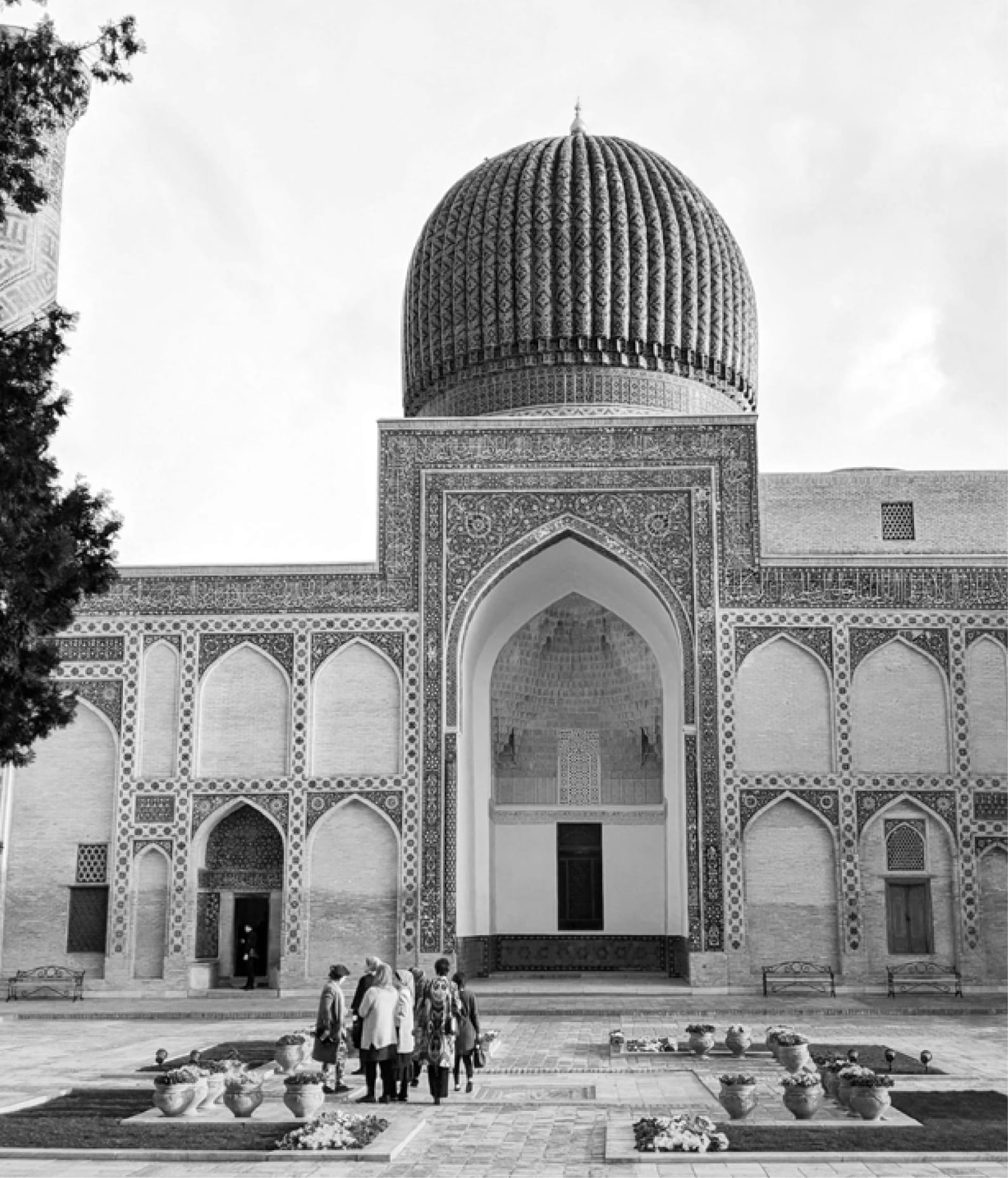
The catalogue is named Bukhara because the city was the hub of textiles, trade and the Silk Route in Central Asia. Its most glorious period had been the 14th century when, under Timur, both Bukhara and Samarkand flourished as centres for the arts, philosophy, and great architecture. It subsequently fell into decline over several centuries as sea routes gained prominence and the desert region was plunged into turbulence and wars.
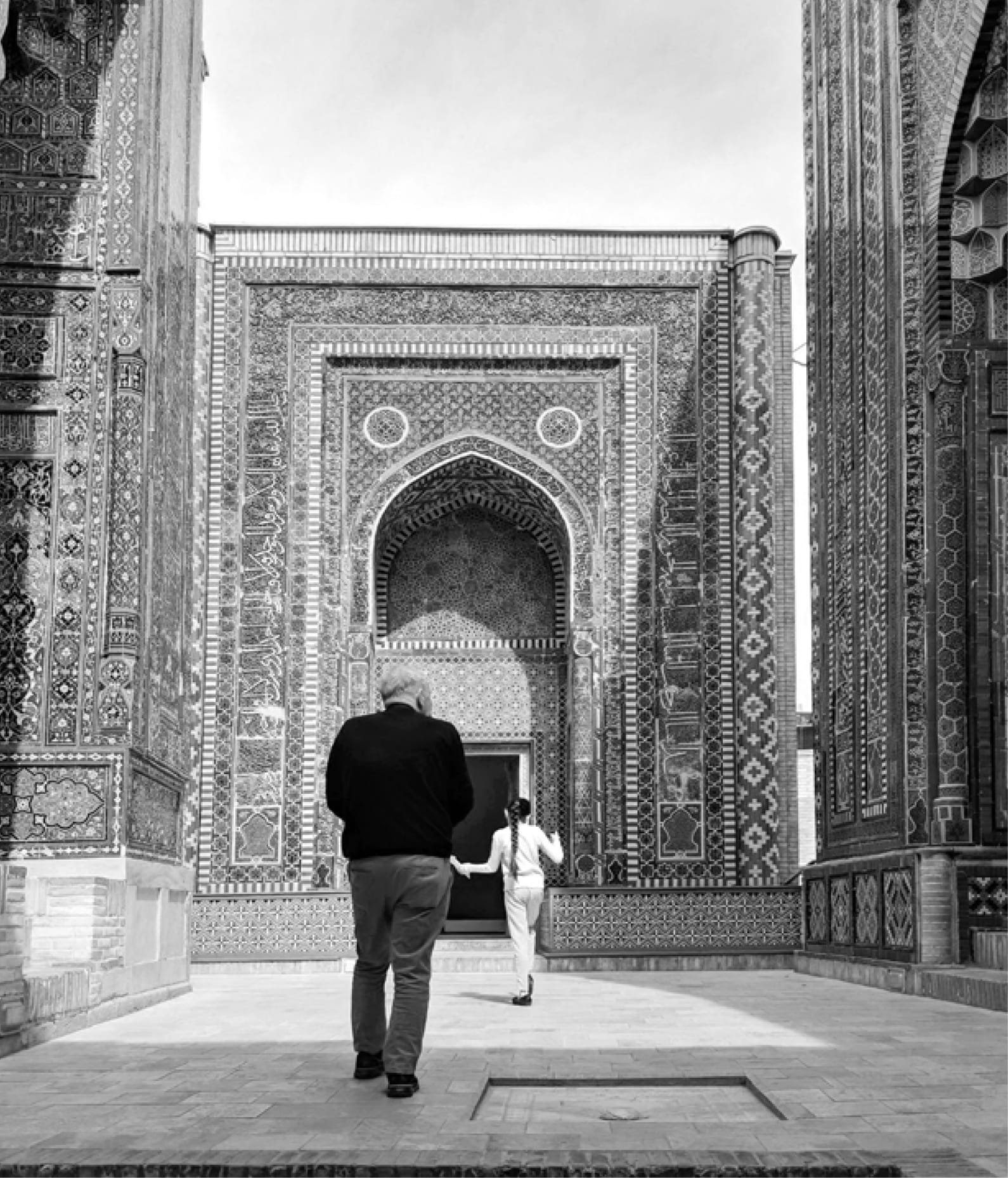
But in the late 18th and 19th centuries, there was a major economic and cultural revival. In Bukhara, Khiva and Kokand (including the agriculturally rich Ferghana Valley), kingdoms were established that brought greater stability to the region. In Bukhara, in particular, there was an extraordinary flourishing and interlinking of textiles that embraced embroidered suzani, silk ikats and the rugs woven largely by nomadic Turkmen tribes. They shared a design language that drew inspiration both from their Central Asian heritage, including the tile-work in great domed mosques, and from the countries that spanned the Silk Route – China, India, Persia and the Turkish Ottoman Empire. Their fabrics as well, shared a saturation of natural colour – of blues, reds, yellows, blacks and greens.
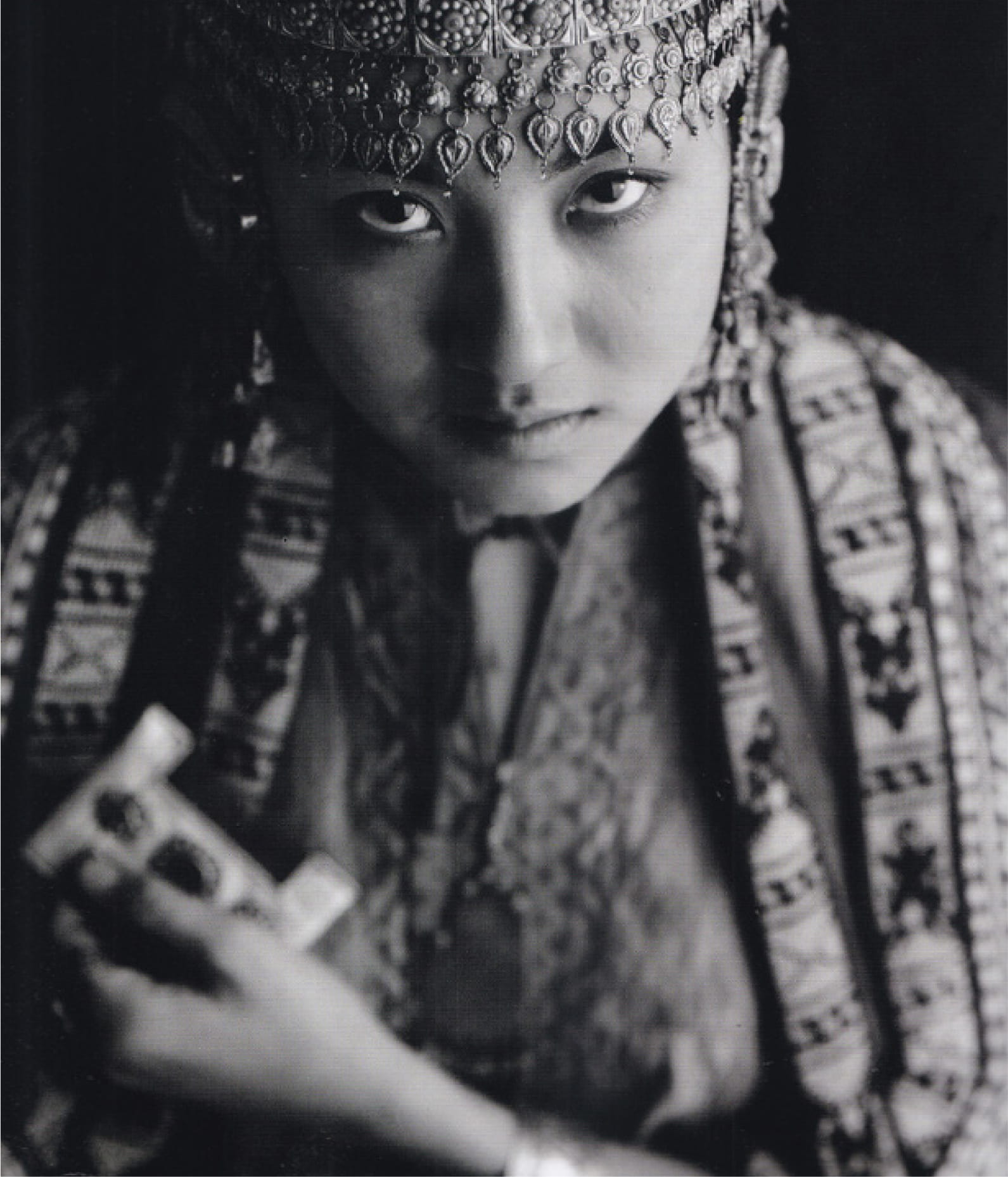
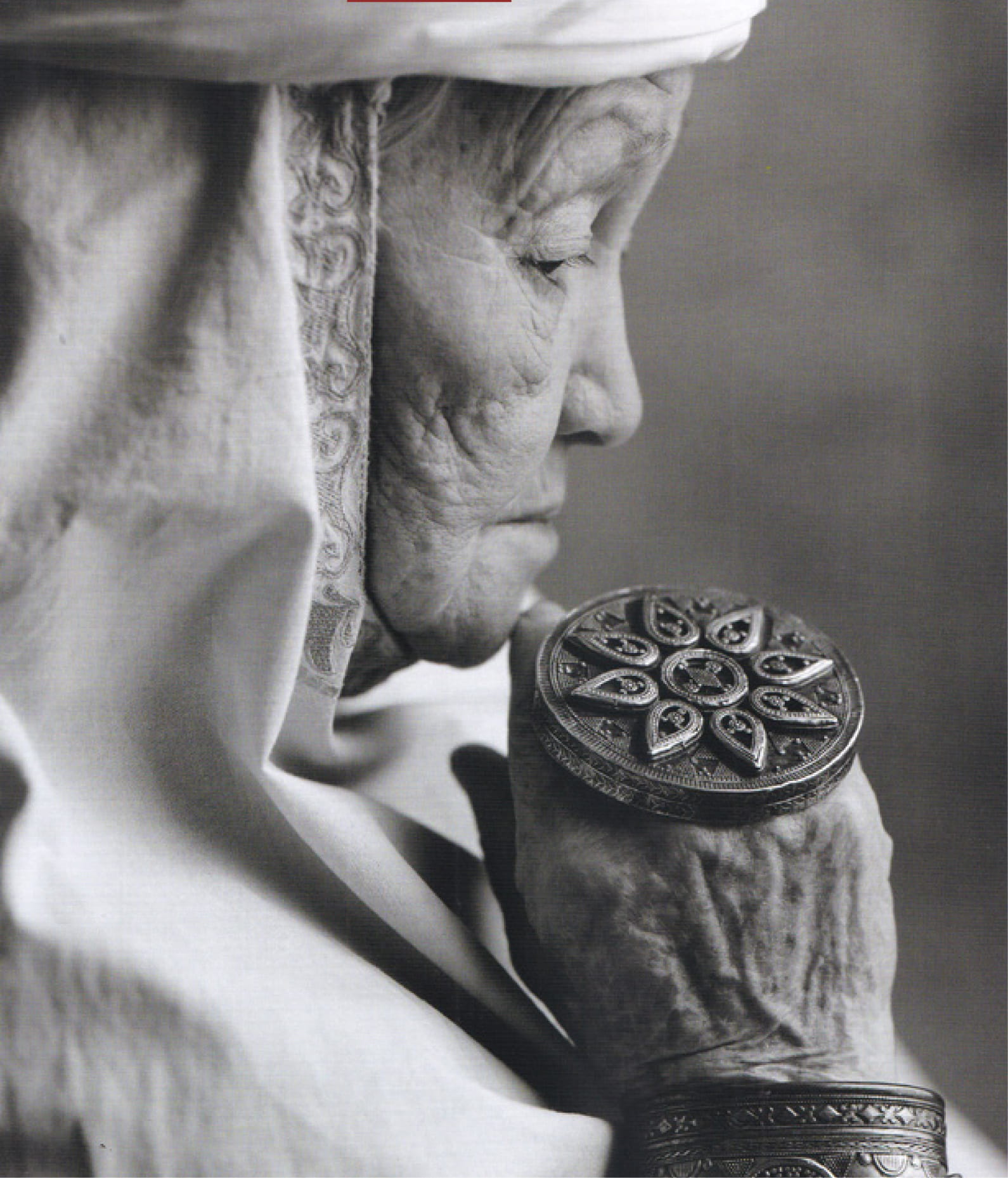
In this period of prosperity, textiles were a symbol of wealth, expressed through the rich apparel worn by men and women and in the hangings and covers that decorated their homes. The markets of Bukhara and of the small towns that lined the banks of the nearby Amu Darya (Oxus) provided outlets for trade.
Bukhara was a city with a great mixture of populations, including Uzbeks, Tajiks, Arabs, Jews and Indians, with each community concentrated in different areas and known for different craft skills. In the 19th century Bukhara, like the other Central Asian cities, largely shielded itself from outsiders. Geography played a part, in that caravans had to cross a harsh desert with the risk of attack by nomadic tribesmen. This defence also served to protect its Islamic identity and to keep Russian and British interlopers out, at a time when both countries competed for influence in Central Asia.
In the 1860’s and 1870’s the Russians succeeded in imposing Protectorates on Khiva, Bukhara and Khokand, marking the beginning of the end of the Central Asian renaissance, as cheaper Russian goods flowed into the region. The final collapse came with the 1st World War and the Soviet Revolution, leading to the disbanding of local culture and the break-up of the nomadic tribes. The economic and cultural revival – reflected in this exhibition of 19th century pieces – had lasted just over 100 years.
This exhibition has at its theme to show the many cross influences in design and motifs both between the suzani, ikats and rugs themselves as well as the cultural influences that shaped these textiles from their shared Central Asian past and from the countries along the Silk Road including China, India, Persia, and Turkey.